logo
Να στείλετε μήνυμα
Hebei Better United Import And Export Co., Ltd.

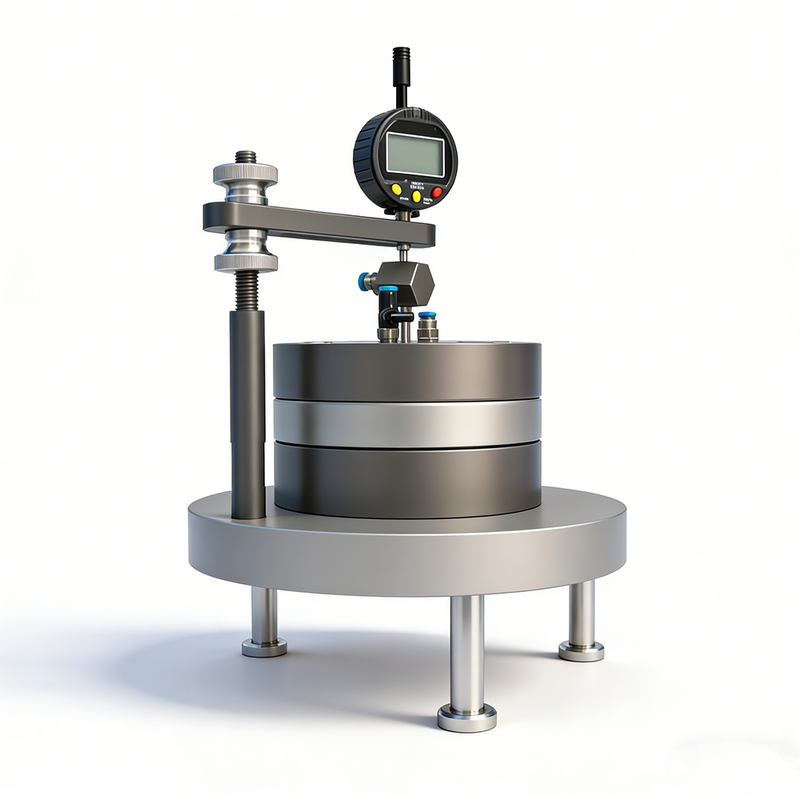
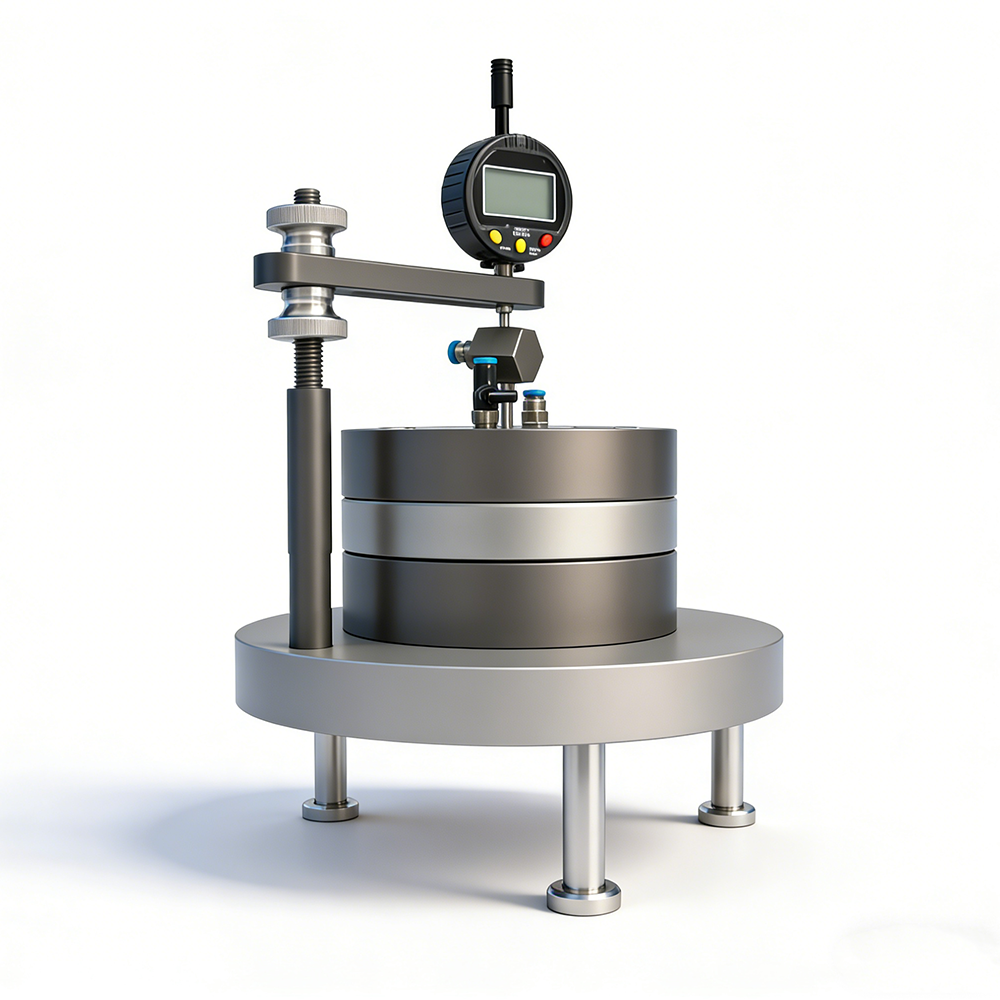
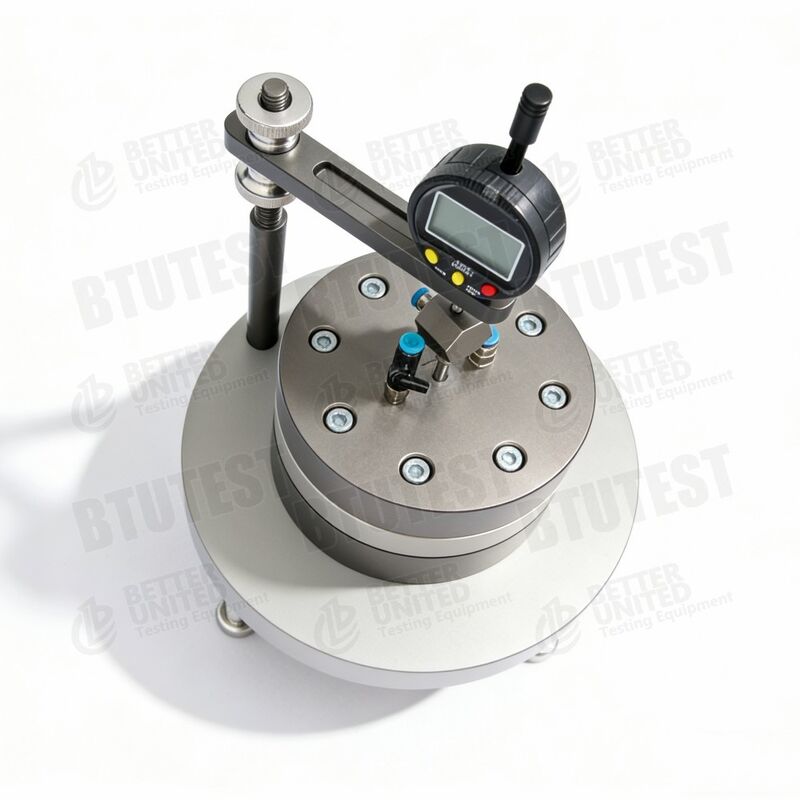
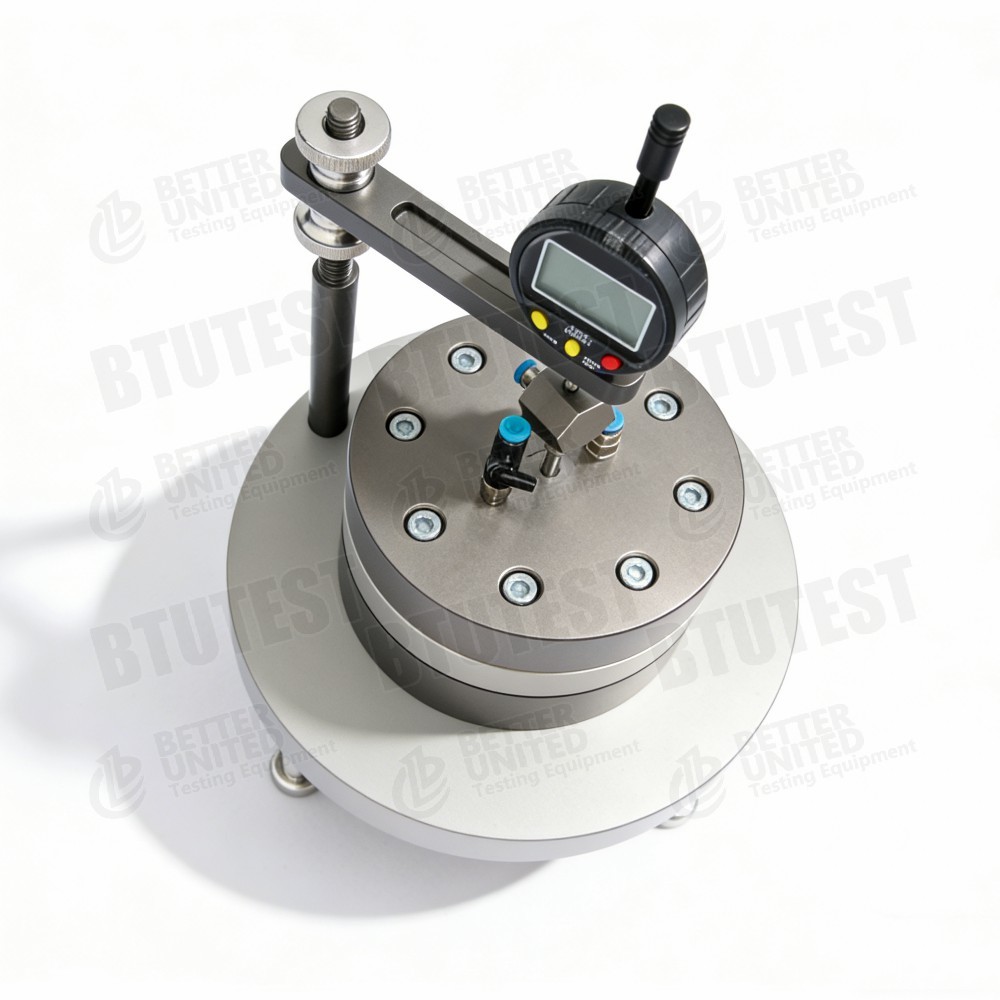
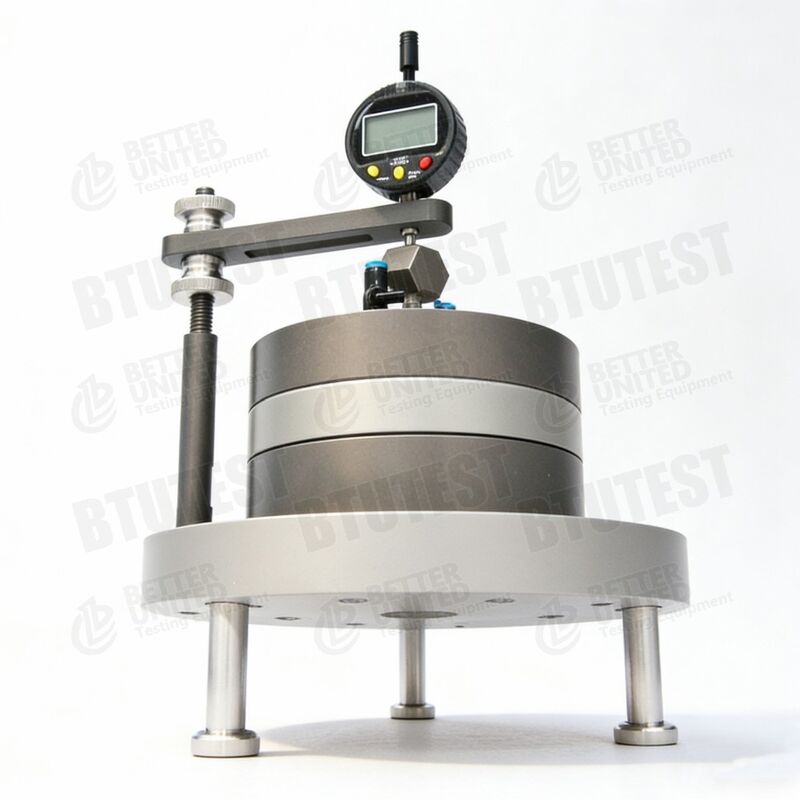
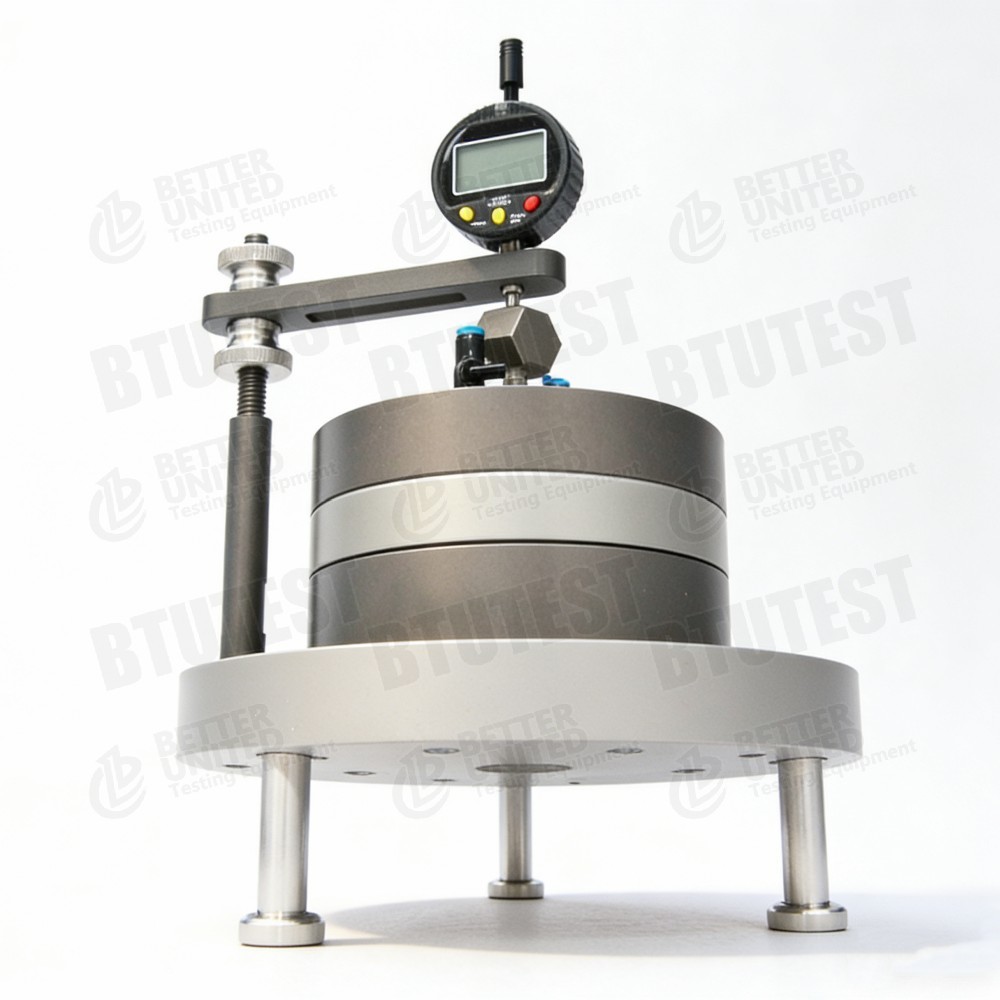
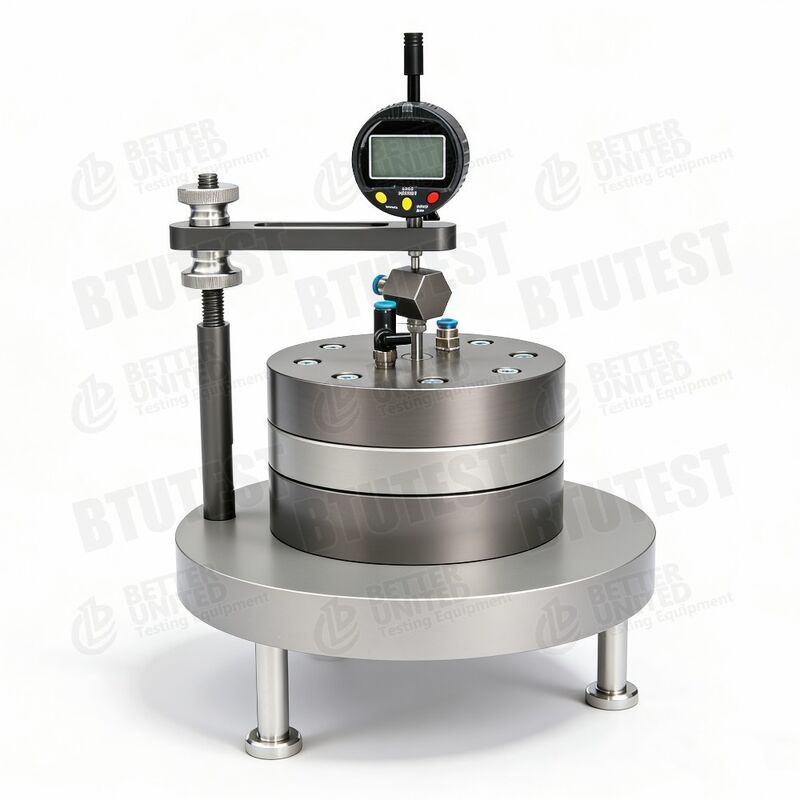
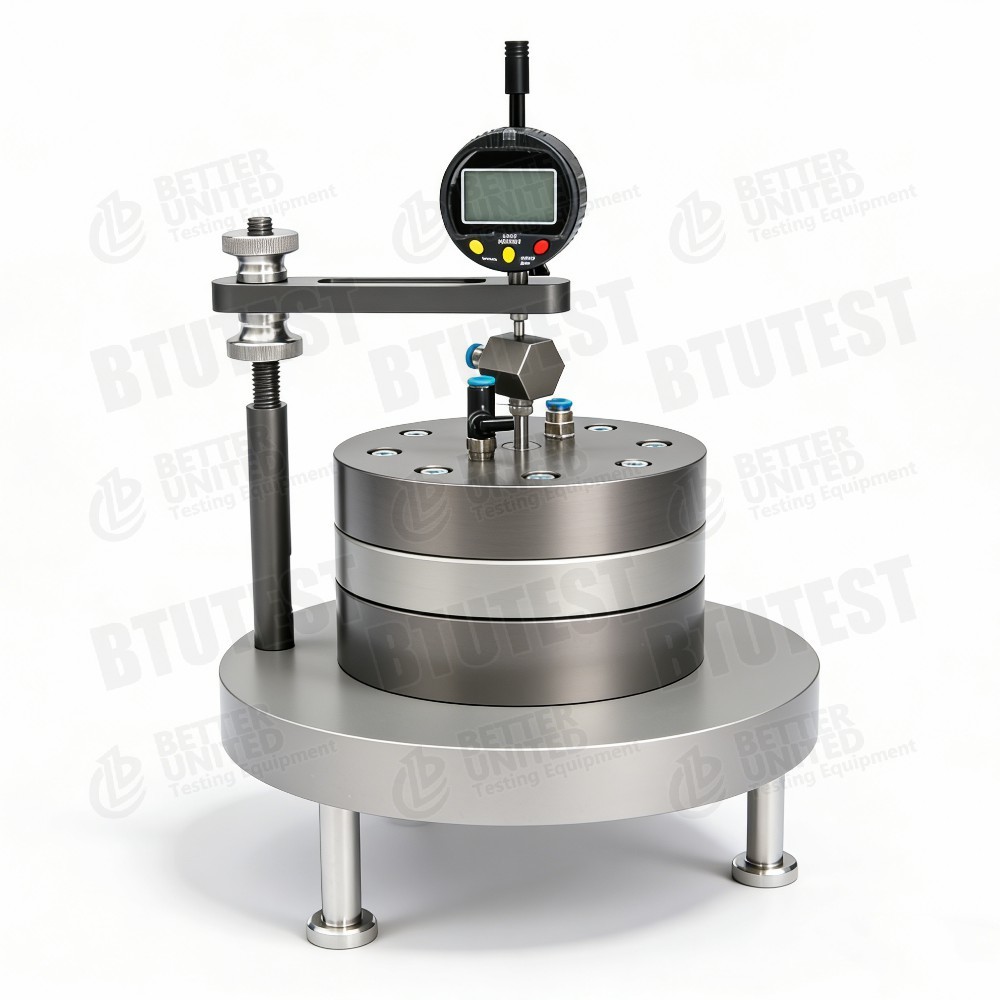
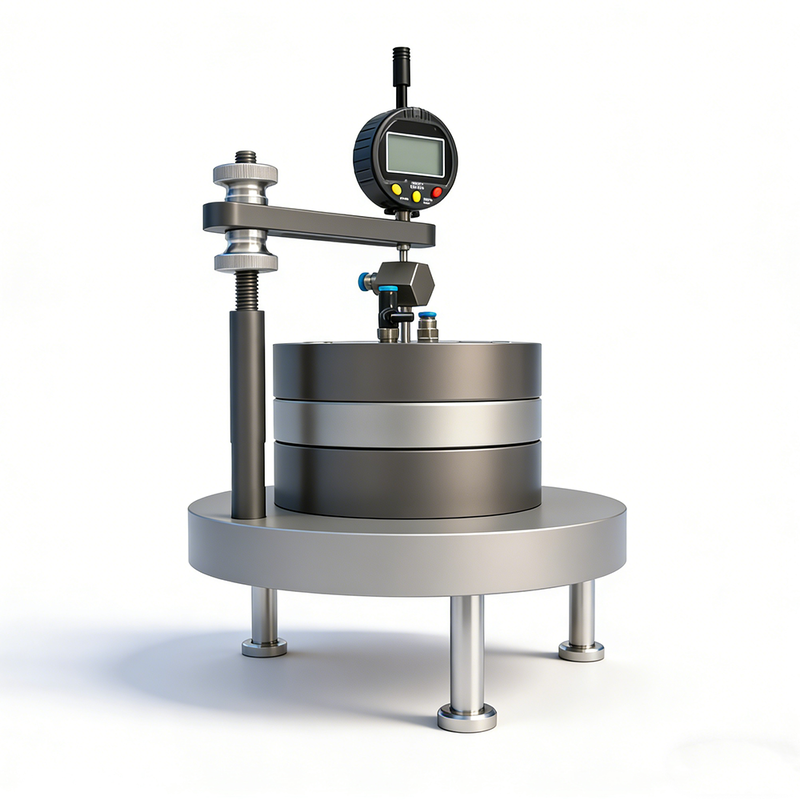
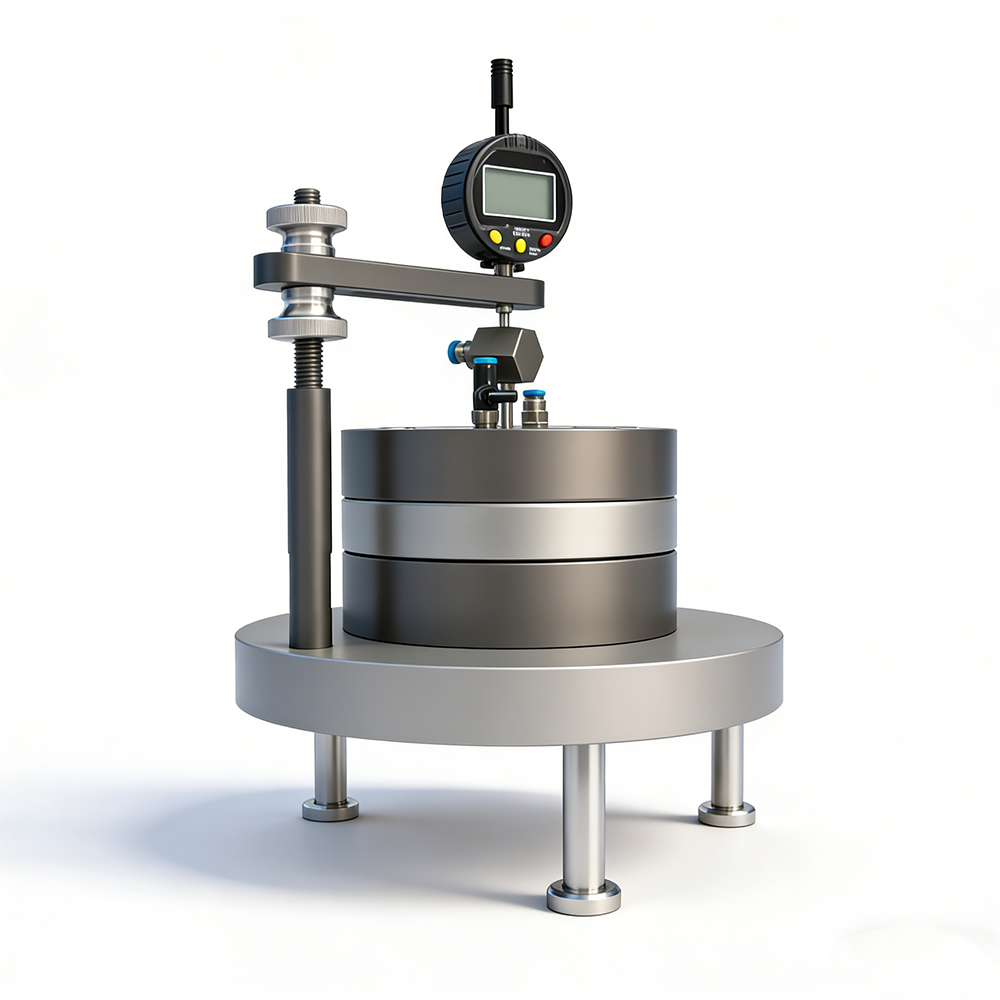
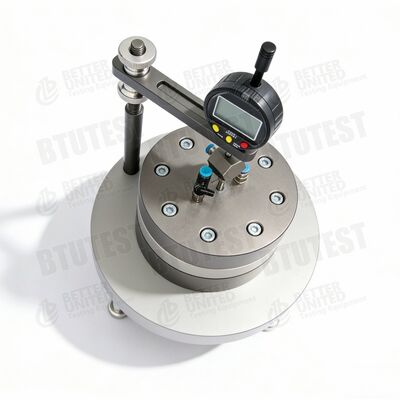
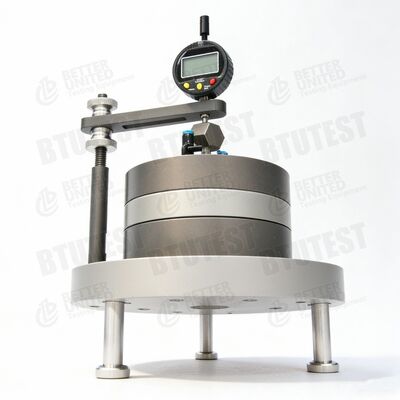
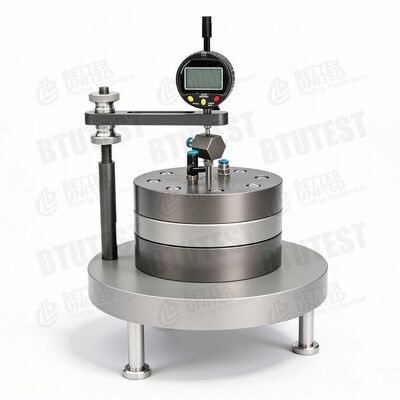
Rowe Consolidation Apparatus

Λεπτομέρειες:
Τόπος καταγωγής: ΚΑΤΑΣΚΕΥΑΣΜΕΝΟ ΣΤΗΝ ΚΙΝΑ
Μάρκα: BTUTEST
Πιστοποίηση: SGS, INTERTEK
Αριθμό μοντέλου: BTU-RCA-1
Πληρωμής & Αποστολής Όροι:
Ποσότητα παραγγελίας min: 1 Σετ
Τιμή: Διαπραγματεύσιμος
Συσκευασία λεπτομέρειες: Εδαφολογικής δοκιμής ξύλινο κιβώτιο εξαγωγής εξοπλισμού τυποποιημένο
Χρόνος παράδοσης: 6 ημέρες μετά την πληρωμή
Όροι πληρωμής: L/C, D/A, D/P, T/T, Western Union
Δυνατότητα προσφοράς: 100 σετ το μήνα
  • Λεπτομερής ενημέρωση
  • Περιγραφή προϊόντων

Λεπτομερής ενημέρωση

Ονομα: Συσκευή ενοποίησης Rowe Εγγύηση: 1 Έτος
Μέγεθος δείγματος κελιού ενοποίησης Rowe: Φ61,8 χλστ Αξονική και αντίθλιψη: Μέγ. πίεση 2 MPa, ακρίβεια ±0,1% FS, έλεγχος μικροεπεξεργαστή κλειστού βρόχου έως 1 kPa
Αισθητήρας πίεσης πόρων: 2 MPa, ακρίβεια ±0,1% FS, ανάλυση 1 kPa Αισθητήρας κατακόρυφης μετατόπισης: Εύρος 0-12,7 mm, ακρίβεια 0,01 mm, δική σας οθόνη LCD, μηδενικό κουμπί, μπαταρία ή τροφοδοσία συστήμ

Περιγραφή προϊόντων

Rowe Consolidation Apparatus

Model BTU-RCA-1


Description

This equipment is aRowe consolidation apparatus, modelBTU-RCA-1, using a Rowe‑type consolidation cell. It can perform various consolidation tests, including standard consolidation (step loading‑unloading), CRS (constant rate of strain), CRL (constant rate of loading), back pressure saturation consolidation, long‑term creep consolidation (with real‑time pore pressure measurement), and an optional consolidation‑permeability module. Main features:

  • Specimen size: Φ61.8 mm (standard cutting ring)
  • Axial and back pressure are applied by pressure/volume controllers (2 MPa / 200 cc), accuracy ±0.1% FS, closed‑loop microprocessor control of water pressure to 1 kPa
  • Controller with built‑in 16‑key membrane keypad (non‑touch), supporting pressure control, volume control, linear loading, etc.
  • Volume change measurement and display to 1 mm³ (0.001 cc), accuracy ±0.01 ml
  • Pore pressure sensor: 2 MPa, accuracy ±0.1% FS, resolution 1 kPa
  • Vertical displacement sensor: range 0‑12.7 mm, accuracy 0.01 mm, with own LCD (in/mm selectable), zero button, powerable by coin cell or acquisition system
  • Supplied with computer‑based data acquisition and control software (AdvancedGeoLAB‑Rowe Consolidation Software), capable of back pressure saturation, step loading consolidation, CRS, CRL, long‑term creep consolidation with real‑time pore pressure measurement; post‑processing module automatically calculates av, Es, Cv, Pc, etc., and plots square root of time curves, log‑time curves, e‑p curves, e‑lg p curves, H‑P curves, etc.

Test Standards (International)

  • ASTM D2435(One‑dimensional consolidation of soils)
  • ASTM D4186(Constant rate of strain consolidation – CRS)
  • ASTM D4546(Load‑unload‑reload consolidation)
  • ASTM D4767(Triaxial compression – back pressure saturation principle similar)
  • ASTM D5084(Permeability test – corresponding to consolidation‑permeability module)
  • ISO 17892‑5(Consolidation test)
  • BS 1377‑6(Consolidation test)


The equipment can meet the requirements of these standards for loading, back pressure saturation, pore pressure measurement, CRS/CRL, etc.

Specification

Parameter Specification
Model BTU-RCA-1
Instrument name Rowe consolidation apparatus
Rowe consolidation cell Specimen size Φ61.8 mm
Axial and back pressure Max. pressure 2 MPa, accuracy ±0.1% FS, closed‑loop microprocessor control to 1 kPa
Pressure/volume controller Each: 2 MPa / 200 cc; built‑in 16‑key membrane keypad; volume resolution 1 mm³ (0.001 cc), accuracy ±0.01 ml; USB port
Pore pressure sensor 2 MPa, accuracy ±0.1% FS, resolution 1 kPa
Vertical displacement sensor Range 0‑12.7 mm, accuracy 0.01 mm, own LCD, zero button, battery or system power
Software AdvancedGeoLAB‑Rowe Consolidation Software (includes data logger); supports back pressure saturation, step loading, CRS, CRL, long‑term creep consolidation (real‑time pore pressure) and post‑processing
Post‑processing output Calculates av, Es, Cv, Pc; plots square root of time curves, log‑time curves, e‑p curves, e‑lg p curves, H‑P curves, etc.
Optional Consolidation‑permeability module

Detail

  • Rowe consolidation cell– A type of equal‑axial‑stress consolidometer that applies axial pressure via hydraulic or pneumatic means, providing more uniform stress distribution and reduced sidewall friction, suitable for high‑precision consolidation tests.
  • Dual pressure/volume controllers– Used to apply axial pressure and back pressure (or measure pore pressure). Each controller is independent, with a volume capacity of 200 cc, resolution 0.001 cc, enabling precise control of pressure and volume changes for back pressure saturation, CRS, CRL, and permeability tests.
  • Closed‑loop microprocessor control– Water pressure control accuracy up to 1 kPa, far superior to conventional consolidometers.
  • Real‑time pore pressure measurement– Continuously monitors pore water pressure during consolidation, used for Cv calculation in CRS tests and effective stress analysis.
  • High‑precision displacement measurement– 0.01 mm resolution, with own LCD for easy on‑site calibration.
  • Multi‑function testing– Supports step loading, CRS, CRL, creep, back pressure saturation, and optional consolidation‑permeability – all in one apparatus.
  • Powerful software– Fully automatic test control, real‑time curve display, automatic calculation of consolidation parameters, and plotting of various standard curves.
  • Optional consolidation‑permeability module– Allows measurement of permeability coefficient during consolidation to study the k‑e relationship.

Application

  • High‑precision consolidation testing– Suitable for studying compression characteristics and consolidation parameters of fine‑grained soils such as soft clays.
  • Back pressure saturation consolidation– For low‑permeability soils, improves saturation to obtain accurate consolidation parameters.
  • CRS rapid consolidation– Saves test time, suitable for batch testing.
  • Long‑term creep– Studies secondary consolidation behaviour of soils.
  • Consolidation‑permeability coupling(optional) – Studies changes in permeability during compression.
  • Research and teaching– Advanced consolidation research in universities and research institutions.

Advantages

  • High‑precision pressure control– Water pressure control accuracy 1 kPa, volume resolution 0.001 cc, far superior to traditional consolidometers.
  • Rowe cell– Low sidewall friction, uniform stress distribution, more reliable results.
  • Dual pressure/volume controllers– Can apply axial pressure, back pressure, or measure volume change – highly integrated.
  • Multiple test modes– Step loading, CRS, CRL, creep, back pressure saturation, permeability (optional) – all in one.
  • Real‑time pore pressure measurement– Facilitates effective stress analysis and Cv calculation.
  • Fully automatic software– Automatic control, acquisition, calculation, and plotting, reducing human error.
  • Convenient controller operation– Built‑in membrane keypad allows stand‑alone operation without a computer.
  • Cost‑effective– Compared to traditional triaxial consolidation systems, the Rowe consolidometer offers similar functionality at lower cost.


What To Choose

Select this equipment or compare with other models based on testing requirements:


Requirement Recommendation Reason
Need high‑precision consolidation testing (research grade) Very suitable Pressure control 1 kPa, volume 0.001 cc
Need back pressure saturation (low‑permeability soils) Standard back pressure function 2 MPa back pressure
Need CRS or CRL consolidation Supported Standard features
Need long‑term creep + pore pressure measurement Supported Real‑time pore pressure
Need consolidation‑permeability coupling Optional permeability module Available
Only routine step loading consolidation (no high precision needed) Consider a standard consolidometer (lower cost) This model has excess capability
Need larger specimen size (e.g., Ø100 mm) Not available; custom or other model needed Only supports Ø61.8 mm
Need higher pressure (>2 MPa) Do not choose this model; select higher‑pressure controller Maximum is 2 MPa
Limited budget but still need good precision Consider a basic Rowe consolidometer without back pressure Reduce cost

Process Flow

Example:Back pressure saturation + CRS consolidation test


  • Specimen preparation
    • Cut undisturbed or remoulded specimen using a Ø61.8 mm ring; height typically 20 mm or 40 mm (depending on cell height).
    • Measure initial water content and density.


  • Specimen installation
    • Place the specimen into the Rowe consolidation cell, with porous stones and filter paper above and below.
    • Connect the pore pressure sensor to the bottom (or top) of the specimen.
    • Connect the axial pressure controller and the back pressure controller (if back pressure saturation is required).
    • Install the vertical displacement sensor (zero it).


  • Back pressure saturation
    • Apply back pressure (e.g., 200 kPa) via the back pressure controller while applying a small effective stress (e.g., 5 kPa).
    • Monitor pore pressure response and calculate B‑value; when B ≥ 0.95, saturation is complete.


  • Set CRS test parameters
    • In the software, select “CRS consolidation module”.
    • Set a constant strain rate (e.g., 0.01 mm/min).
    • Set maximum axial strain (e.g., 20%) or maximum axial pressure (2 MPa).
    • Set data acquisition interval (e.g., 1 second).


  • Start CRS consolidation
    • The axial pressure controller compresses the specimen at a constant rate.
    • Software records axial force, axial displacement, pore pressure, and time in real time.
    • Plots stress‑strain curve and pore pressure‑strain curve.


  • Stop condition
    • Automatically stops when the preset strain or maximum pressure is reached.


  • Disassembly and cleaning
    • Unload pressure, release back pressure, remove the specimen, weigh and dry to measure final water content.
    • Clean the cell, porous stones, and sensors.


  • Data processing
    • Based on CRS theory, the software automatically calculates:
      • Coefficient of consolidation (Cv) from pore pressure and loading rate
      • Compression index (Cc), rebound index (Cs)
      • Pre‑consolidation pressure (Pc)
      • Coefficient of permeability (k) (indirectly)
    • Plots e‑lg p curve, Cv‑σ′ curve, etc.
    • Generates a test report.


For step‑loading consolidation: Set a load sequence (e.g., 25, 50, 100, 200, 400, 800 kPa); at each load step, record displacement and pore pressure over time; software calculates Cv, av, etc.
For creep consolidation: Apply a constant load and record displacement and pore pressure over a long period to analyse the secondary consolidation coefficient Cα.
For permeability test (optional): After consolidation or at a specific load step, close the drainage valve, apply a constant head difference, measure flow rate, and calculate the permeability coefficient.


Summary:The BTU-RCA-1 Rowe consolidation apparatus is a high‑precision, multi‑function consolidation testing device. It uses a Rowe‑type cell and dual pressure/volume controllers, supporting back pressure saturation, CRS, CRL, step loading, creep, and optional permeability tests. Pressure control accuracy is 1 kPa, volume resolution 0.001 cc, with fully automatic software. It is suitable for advanced consolidation studies of fine‑grained soils, especially for research projects demanding high precision. Note the maximum pressure (2 MPa) and specimen size (only Ø61.8 mm); if higher pressure or larger specimens are required, other equipment should be considered.


Ελάτε σε επαφή μαζί μας

Εισάγετε το μήνυμά σας

Μπορεί να είσαι σε αυτά